
How visual circuits are built during development — and how they work as animals see and move.
Genes · Synapses · Circuits · Behavior
Genes · Synapses · Circuits · Behavior
We study how the visual brain is built and how it works in action — from the genes that pattern developing cortex, to the recurrent circuits that compute, to the natural behaviors those circuits make possible.
Experience shapes the developing brain — but experience itself changes as the brain matures. As young animals begin to move, look, and explore, their visual experience changes alongside the circuits that process it. We study this interplay across scales: the molecular programs that build visual cortex, the recurrent circuits that transform what the eyes see, and the natural behaviors those circuits support, from rapid eye movements to free exploration. We believe this knowledge will lead to new insight into circuits underlying neurological and developmental disorders.
Our work uses a variety of techniques to study sensory processing within single cells and across large-scale populations in vivo — historically through electrophysiology (intracellular and extracellular recordings) and multiphoton calcium imaging. We have since expanded into two-photon optogenetics, functional connectomics with electron microscopy, gene editing to disrupt naturally expressed proteins and receptors, spatial and single-nucleus transcriptomics, and neural recordings during natural behavior.
All people deserve to be treated equally, with dignity and respect. Our lab welcomes and encourages individuals from all backgrounds, and we are committed to maintaining a supportive environment. Together, we strive for scientific excellence while learning and honing a variety of skills in the process.
We are part of the Visual Cluster at CU Anschutz, alongside Drs. Gidon Felsen, Alon Poleg-Polsky, and Dan Denman. Our environment provides plenty of resources to share with interested students, trainees, and staff scientists.
Much of our work is made possible by the shared resources and support at CU Anschutz — including the Neurotechnology Center (NTC) and its Optogenetics and Neural Engineering Core, as well as the dedicated animal support staff in the RC1 vivarium. We are grateful for their expertise and care.
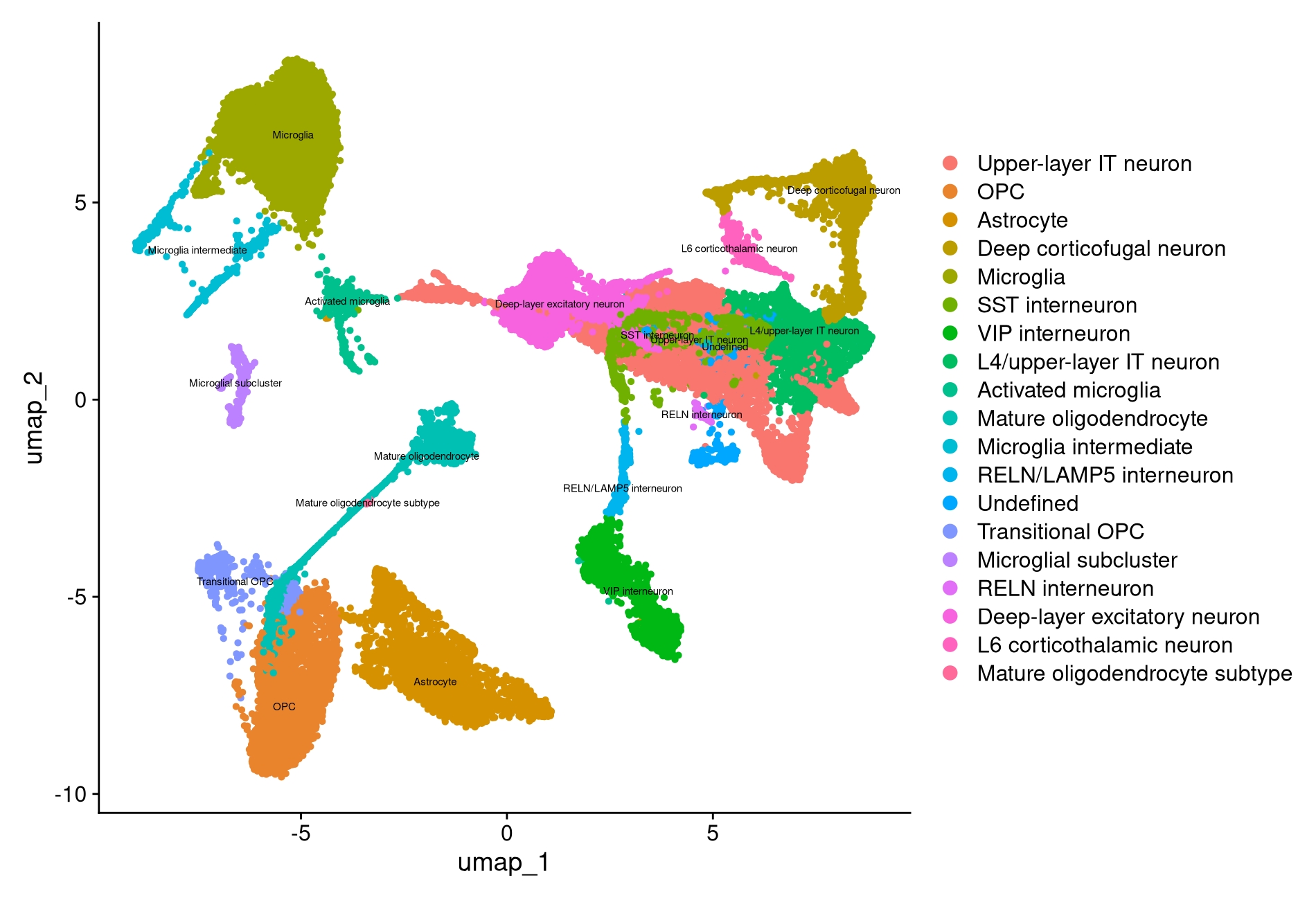
We are building an open molecular resource of the developing ferret brain, combining spatial transcriptomics and single-nucleus RNA sequencing across postnatal development and around eye opening. Preserving spatial context alongside single-cell resolution lets us capture how molecular programs evolve across cortical layers and visual areas as circuits mature. Our goal is a shareable ferret cell-type atlas, with datasets released to the community as the work is published.
We aim to identify the principles of functional connectivity within layer 2/3 of ferret primary visual cortex, testing whether inter-columnar connections that follow functional-similarity rules are essential for feature selectivity. Using all-optical interrogation, we perturb and map excitatory and inhibitory interactions within and between orientation columns; with two-photon calcium imaging, we map how long-range inputs are organized across the dendritic tree and recruited to shape somatic responses. This work seeks new computational circuit motifs in ferret V1, advancing our understanding of cortical circuits and informing brain-inspired AI.
Studying ferrets as they develop naturally, we track how visually guided behaviors (movement, eye position, posture) emerge alongside the maturing circuits that support them. We are now bringing neural recordings into freely behaving animals, combining miniaturized 1-photon (miniscope) and 2-photon (mini2P) imaging, Neuropixels, and markerless 3D pose tracking (FreeMoCap) to measure active visual processing as it unfolds.
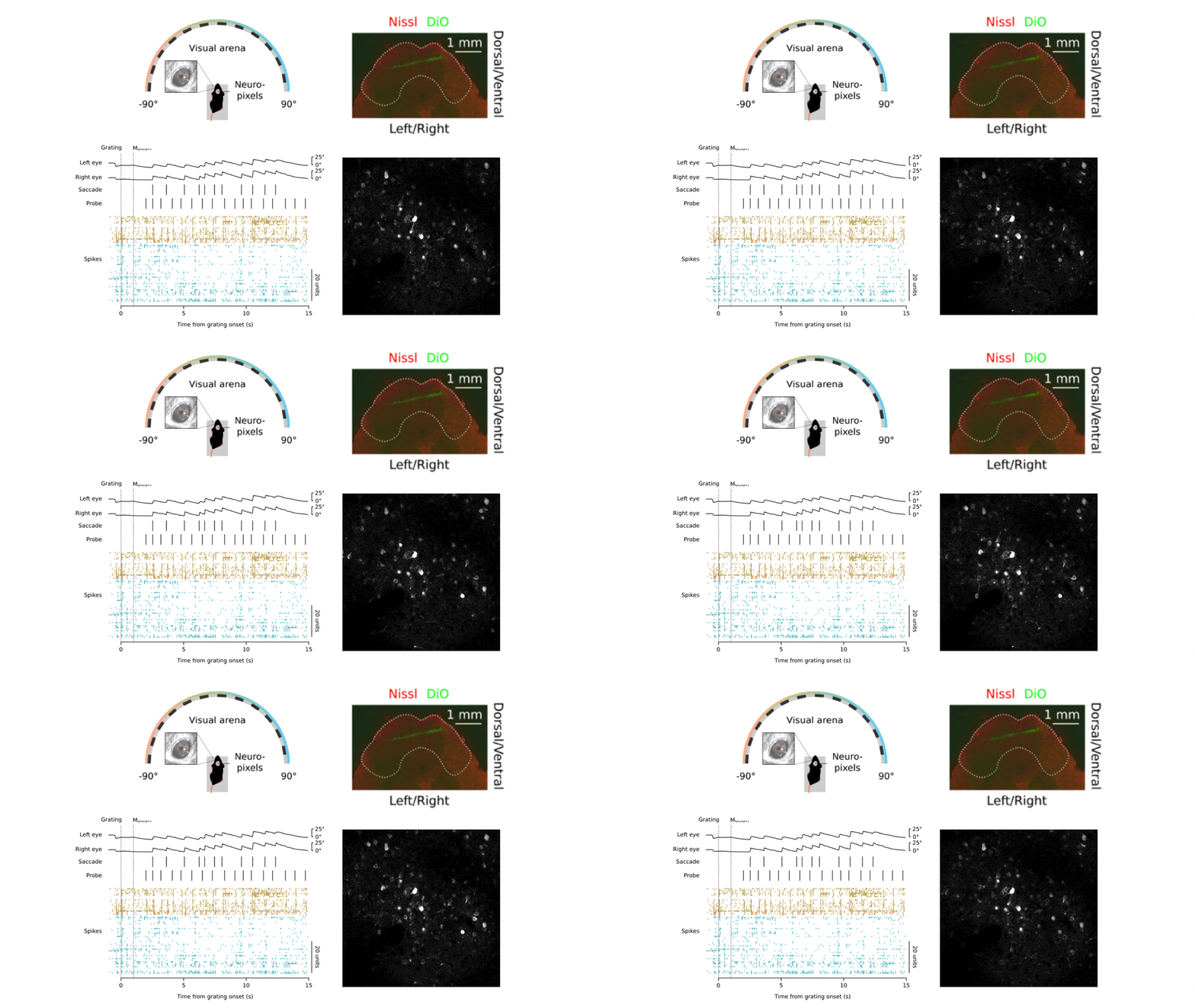
Saccades couple a well-defined motor command to rapid, predictable changes in retinal input, making them an ideal window into how movement reshapes vision. Using head-fixed mice, high-speed eye tracking, and Neuropixels and two-photon recordings in the superior colliculus, we dissect how suppression and enhancement during saccades keep perception stable as the eyes move. This work anchors a collaborative Visual Cluster R01.
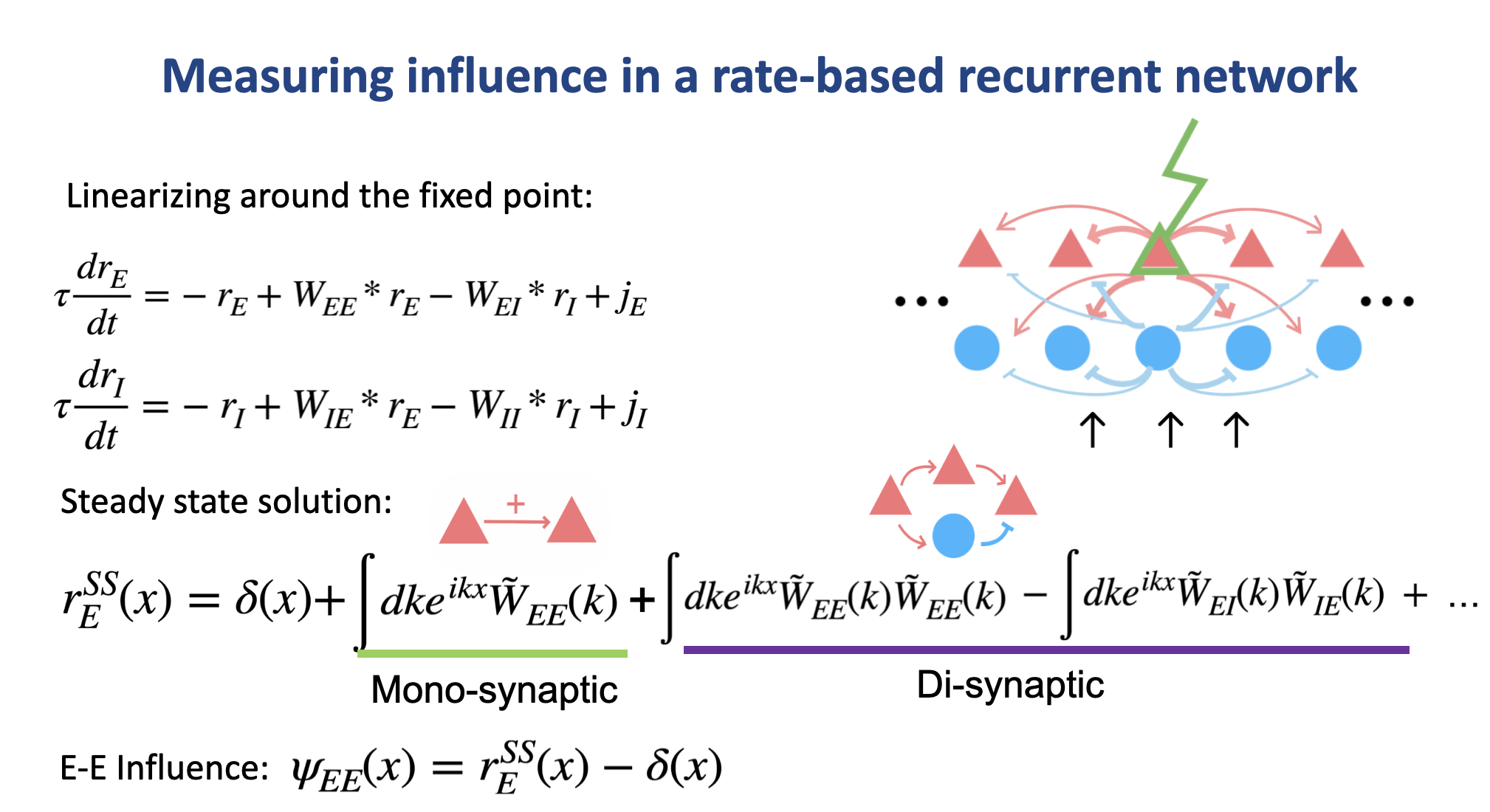
We collaborate with labs around the world — from image processing and analysis to modeling cortical circuits with real experimental data.
The lab grew out of mapping the synaptic networks of single neurons — the vast collection of inputs each neuron receives, and how they drive, suppress, and reshape what a cell computes. Combining in vivo physiology, two-photon imaging, and functional connectomics with electron microscopy, this work revealed how synaptic inputs are functionally organized in visual cortex, and it continues to shape how we study circuits as they develop and operate in behaving animals. See our publications →
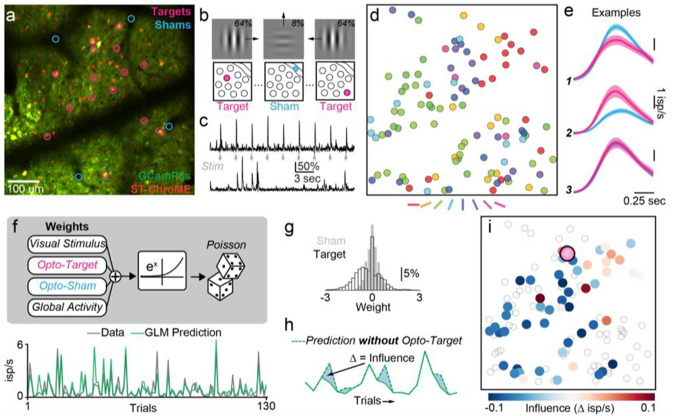
Principles of cortical interactions in modular recurrent networks
In revision · Nature Communications · 2026
View publication →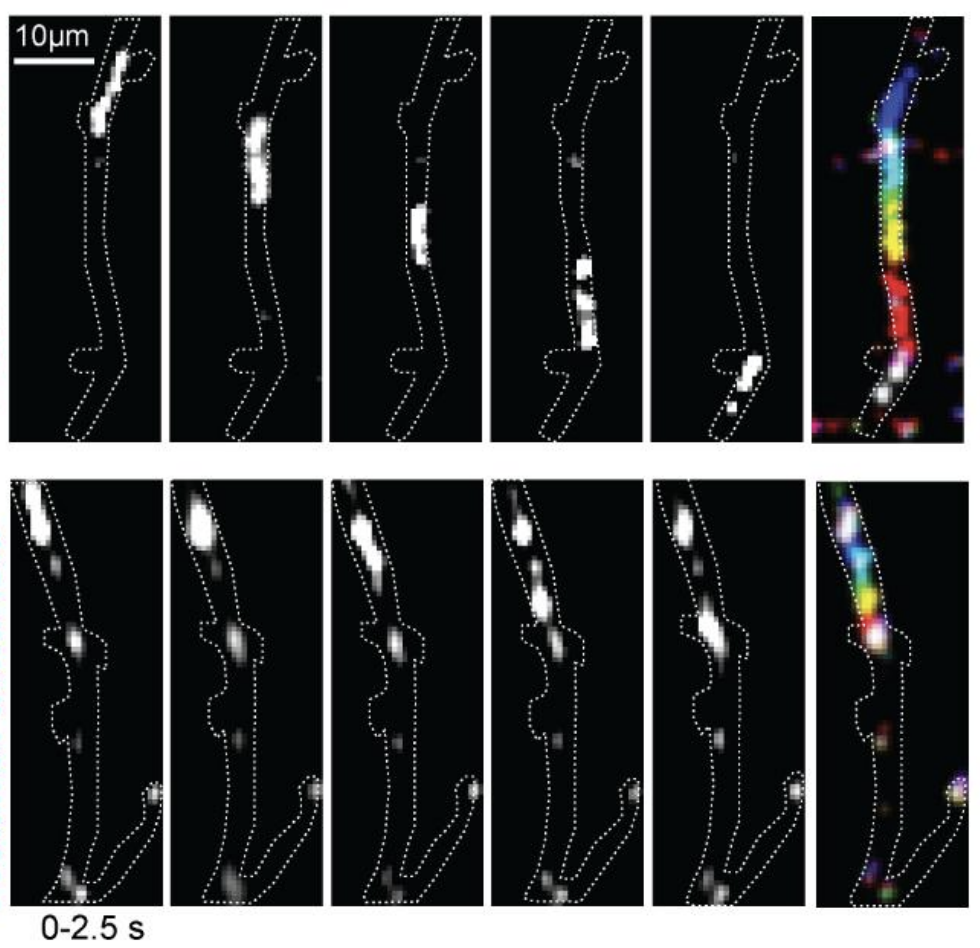
Fluorescence lifetime-based biosensor for monitoring compartmentalized autophagy dynamics in the intact mammalian brain
In revision · Neuron · 2026
View publication →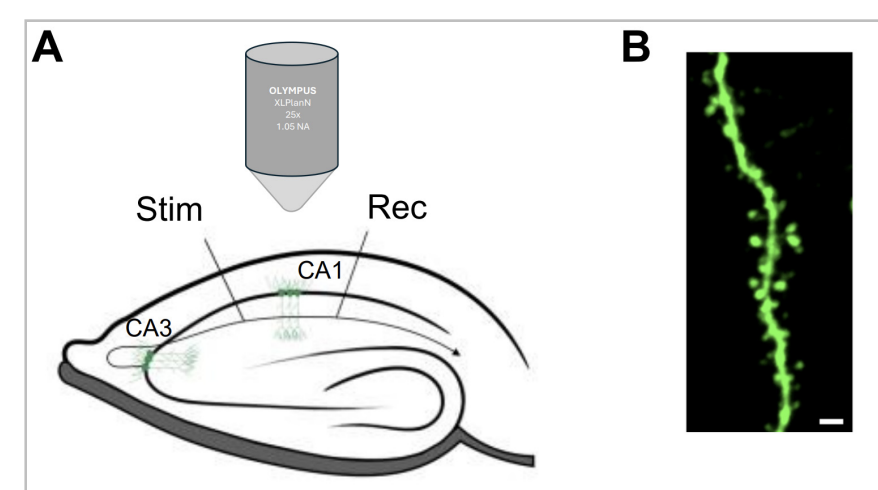
Activation of CP-AMPARs is required for homosynaptic and heterosynaptic structural LTP in the hippocampus
In revision · iScience · 2026
View publication →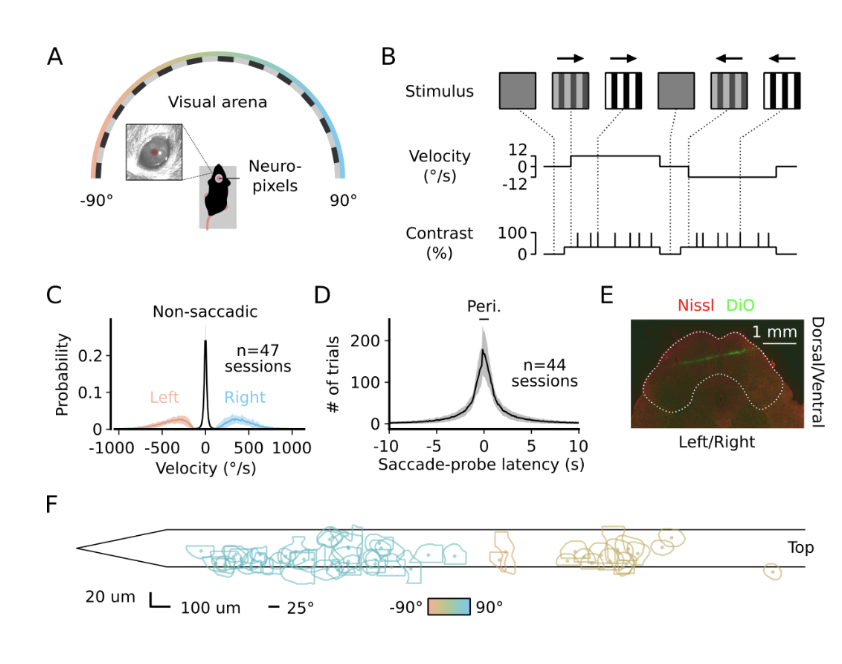
Neural substrates for saccadic modulation of visual representations in mouse superior colliculus
PNAS · 2025
View publication →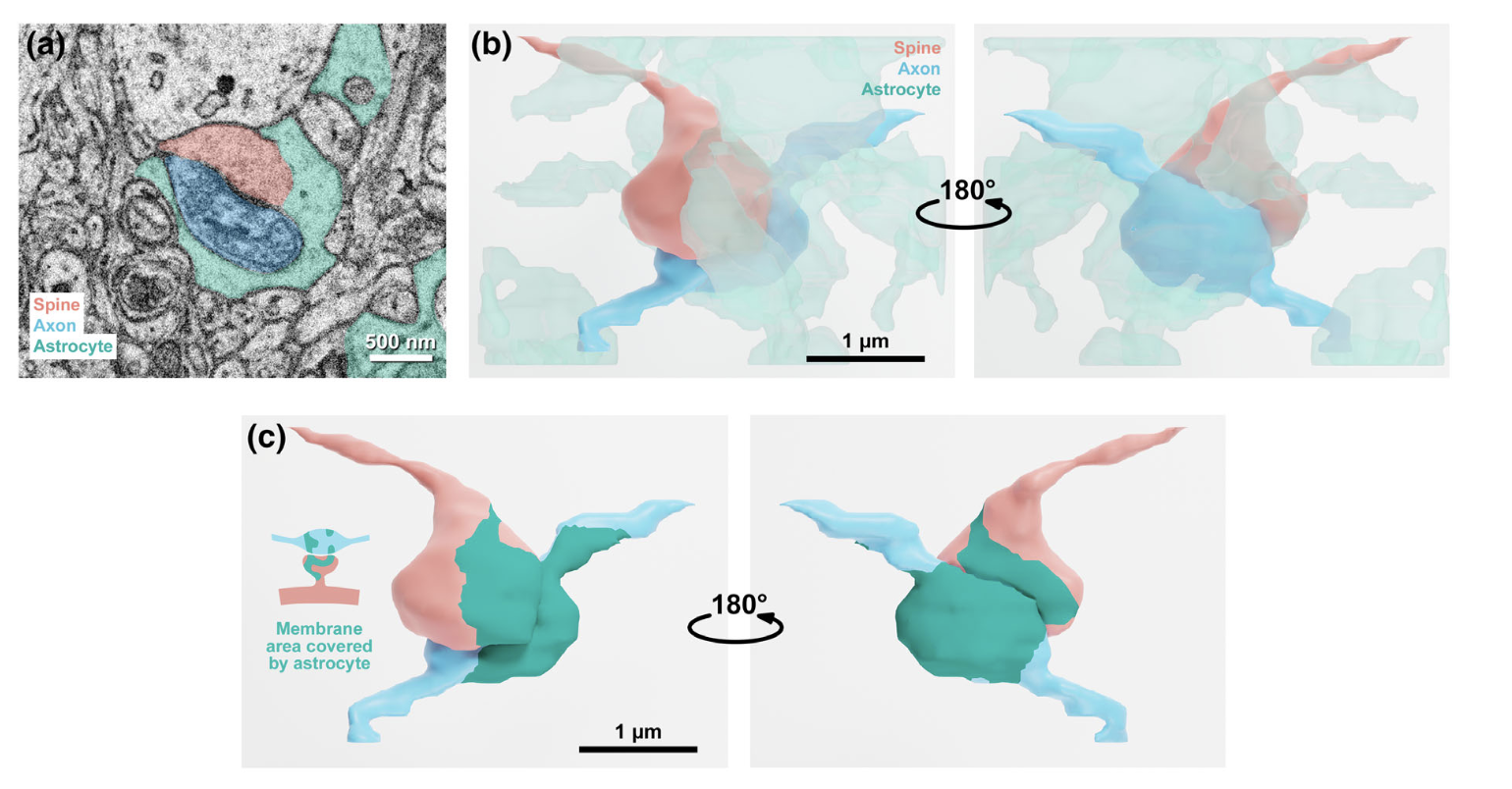
Astrocyte coverage of excitatory synapses correlates to measures of synapse structure and function in ferret primary visual cortex
GLIA · 2024
View publication →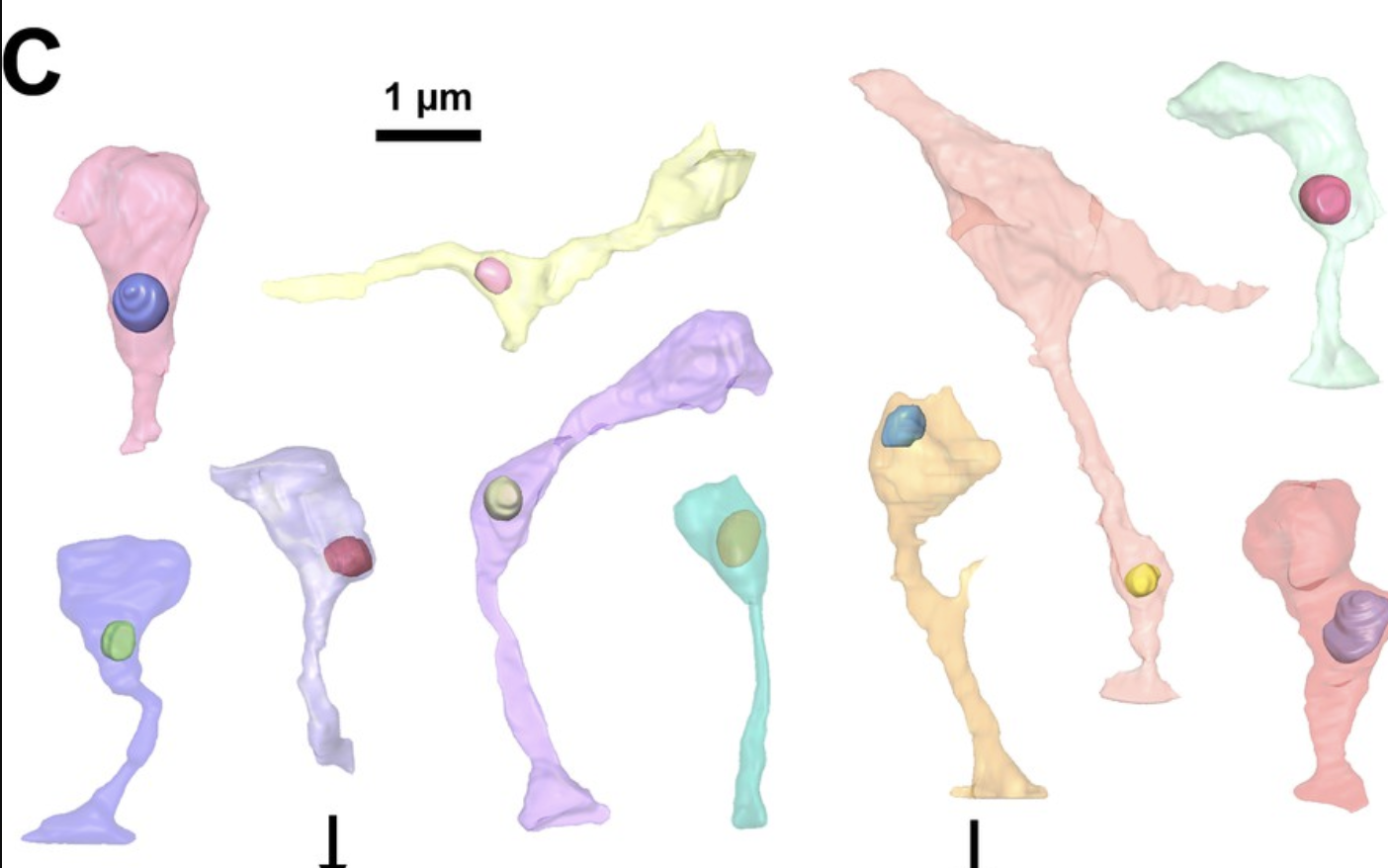
Postsynaptic mitochondria are positioned to support functional diversity of dendritic spines
eLife · 2023
View publication →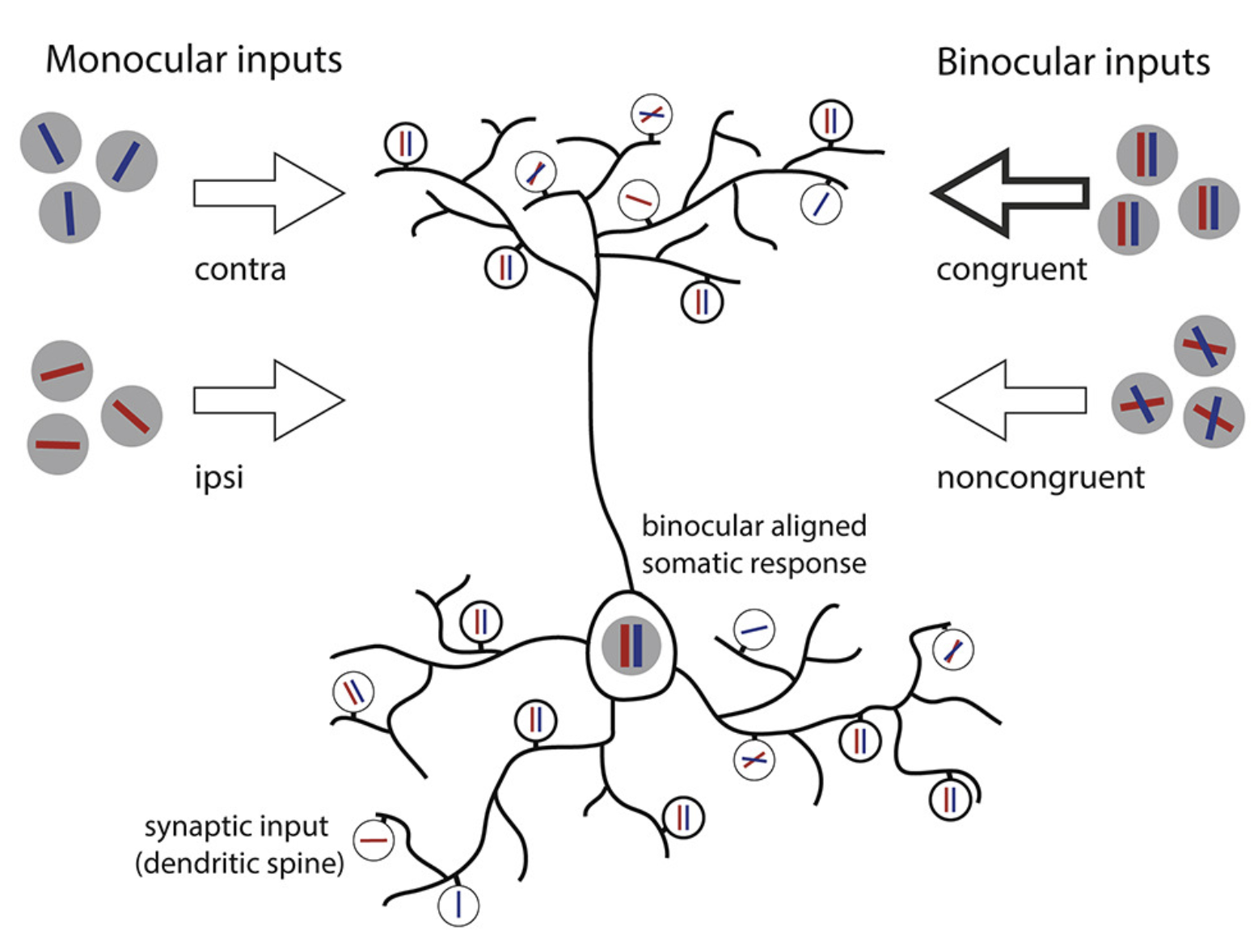
A binocular synaptic network supports interocular response alignment in visual cortical neurons
Neuron · 2022
View publication →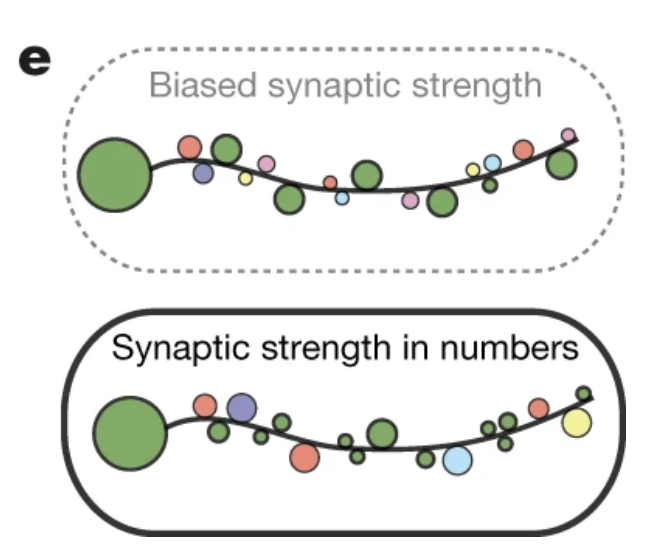
Cortical neuron response selectivity derives from strength in numbers of synapses
Nature · 2021
View publication →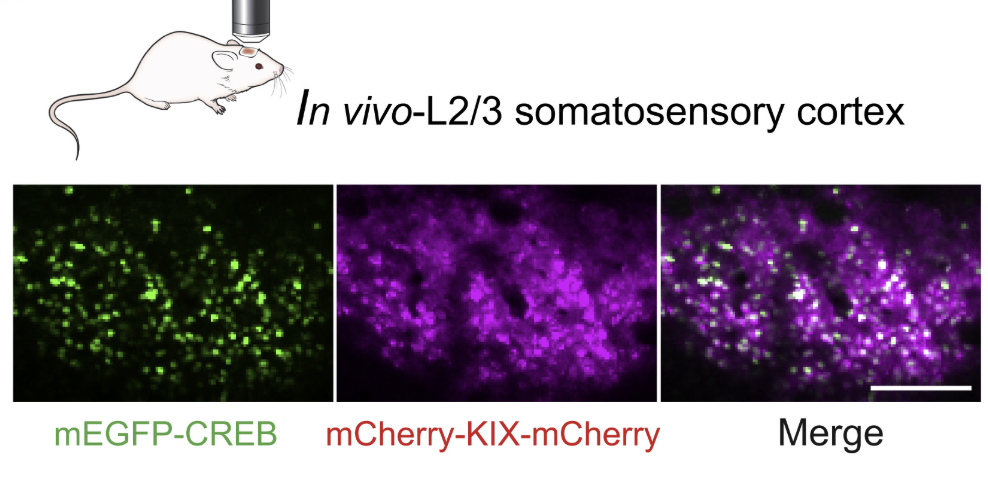
In vivo imaging of the coupling between neuronal and CREB activity in the mouse brain
Neuron · 2019
View publication →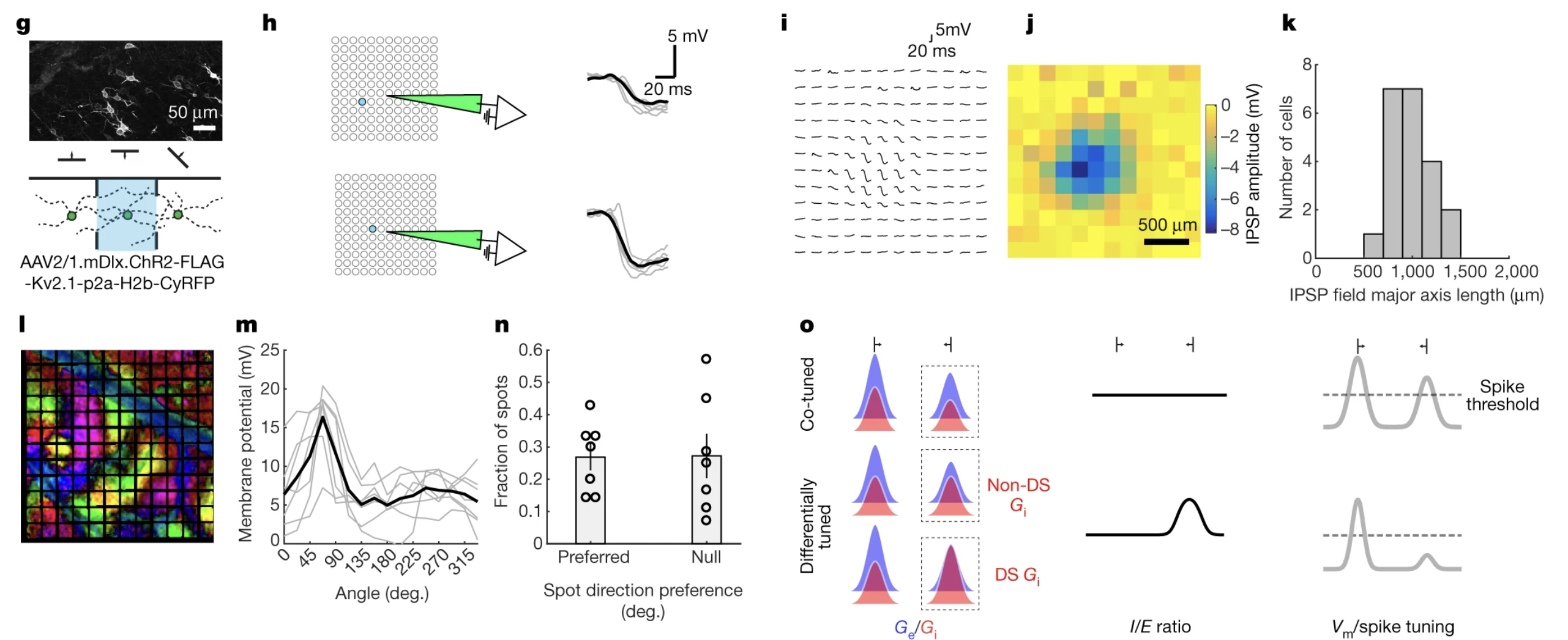
Differential tuning of excitation and inhibition shapes direction selectivity
Nature · 2018
View publication →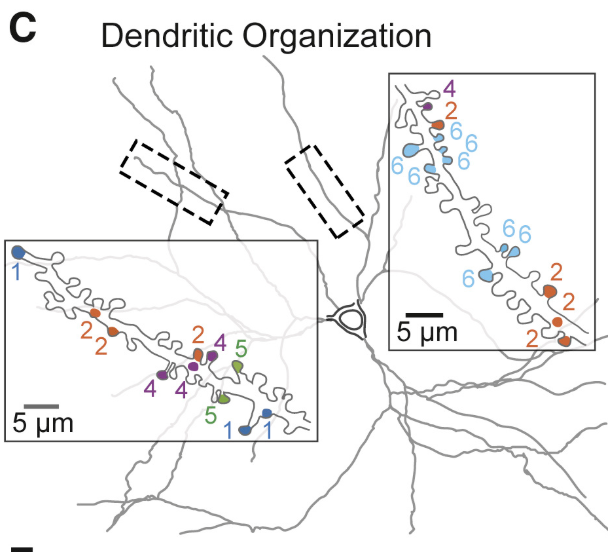
Local order within global disorder: synaptic architecture of visual space
Neuron · 2017
View publication →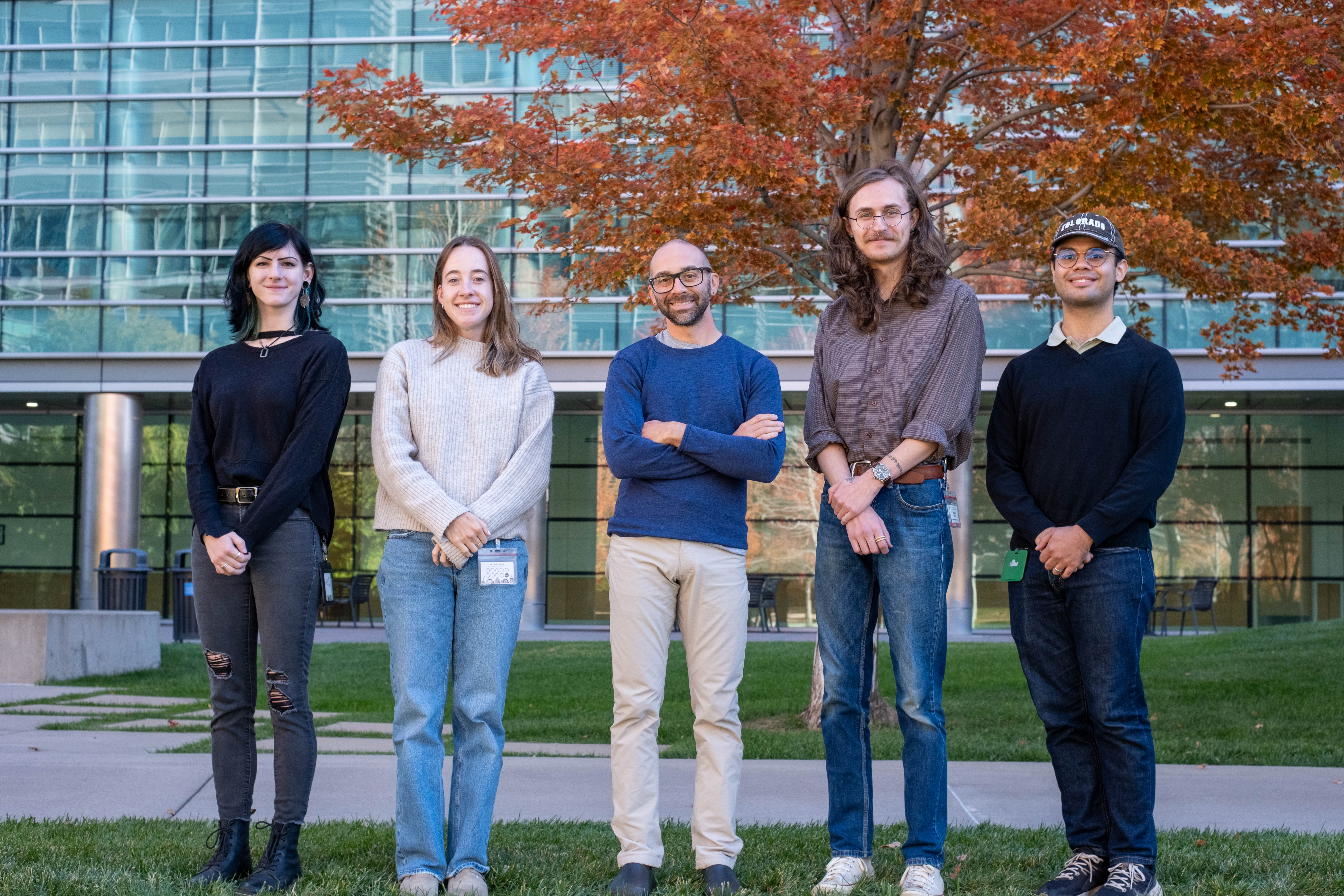
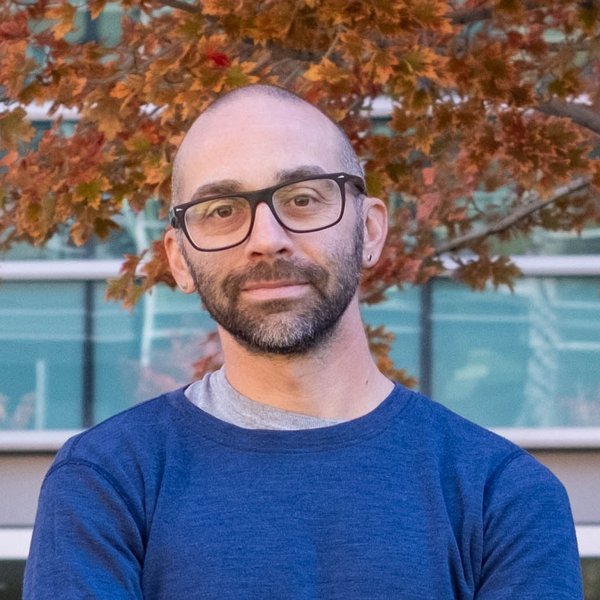
Ben studies the development of vision and its underlying circuits — from gene expression to natural behaviors — combining in vivo physiology (intracellular and extracellular), optical imaging, and other techniques. He earned his B.S. in physics at the University of Oregon, where he first studied sensory coding in the auditory system, and completed his PhD in neuroscience at the University of Texas at Austin investigating the early visual system across the mammalian kingdom. As a postdoc at the Max Planck Florida Institute for Neuroscience, he revealed the functional organization of synaptic inputs, work that continues to shape the lab's questions today.

Penny earned her PhD in the Huk lab at UCLA, where she studied how the primate visual system encodes motion and depth to support 3D perception, combining psychophysics with neural recordings. She joins the lab as a postdoc to investigate the synaptic and circuit basis of visual computation.
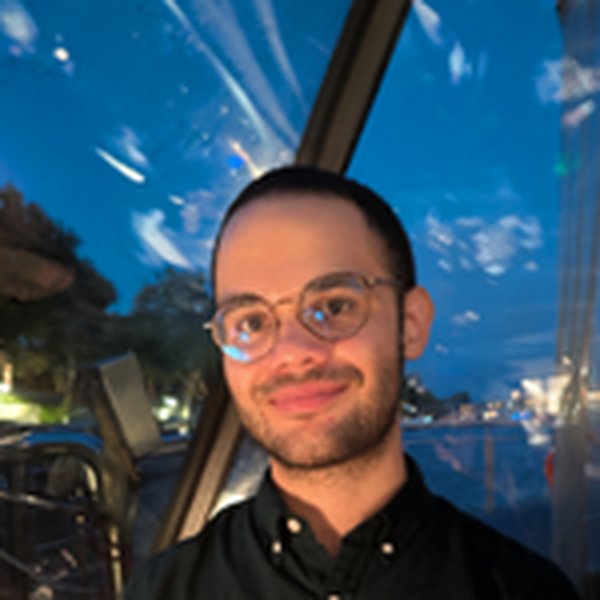
Joe is a PhD student in the Neuroscience Graduate Program (NSP). Joe is interested in cortical circuit development and the interactions between excitatory and inhibitory neurons.
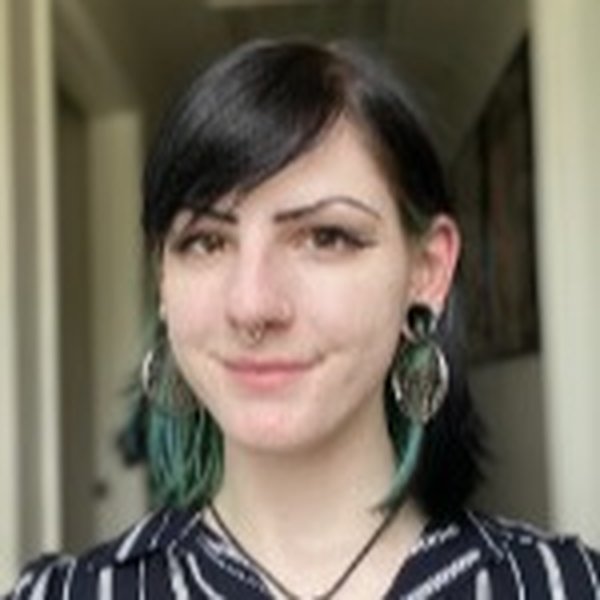
Emily is a PhD student in the Neuroscience Graduate Program (NSP). She is interested in critical period development of visual behavior, cortical circuits, and brain state modulation.
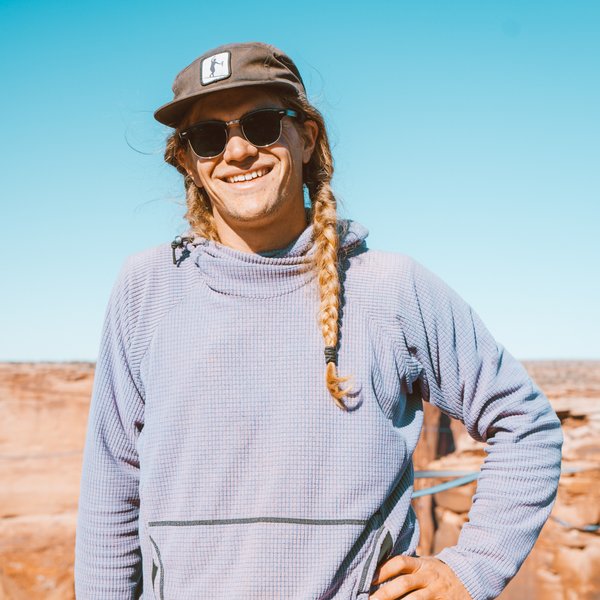
Philip is a PhD student in the Computational Bioscience Program (CPBS) who joined the lab in August 2026. He develops software for markerless motion capture (FreeMoCap) and studies natural behavior and neural dynamics.

Rohit is a software engineer interested in building closed-loop behavioral paradigms for studying visual processing and natural behavior.
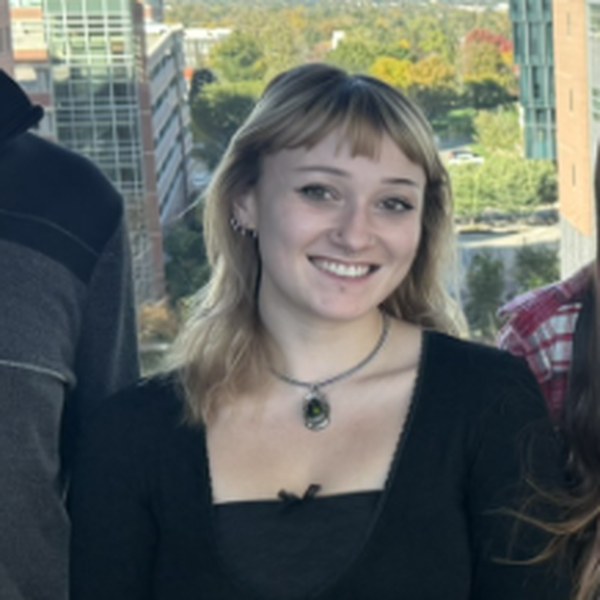
Natalie is a research professional, previously in the Felsen lab, who works closely with our group as part of the Visual Cluster and co-authored our collaborative biosensor study with the Laviv lab (Maman et al.).
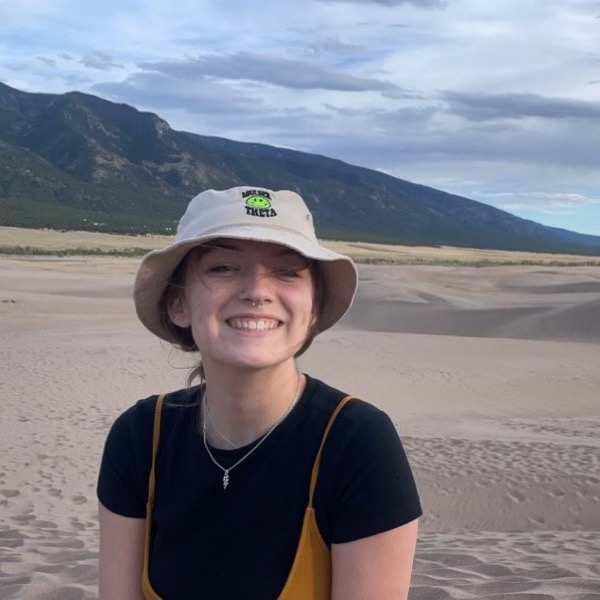
Paige is a research professional, previously in the Cruz-Martín lab, who supports many projects across our lab and the Visual Cluster.
Visual Cluster · CU Anschutz
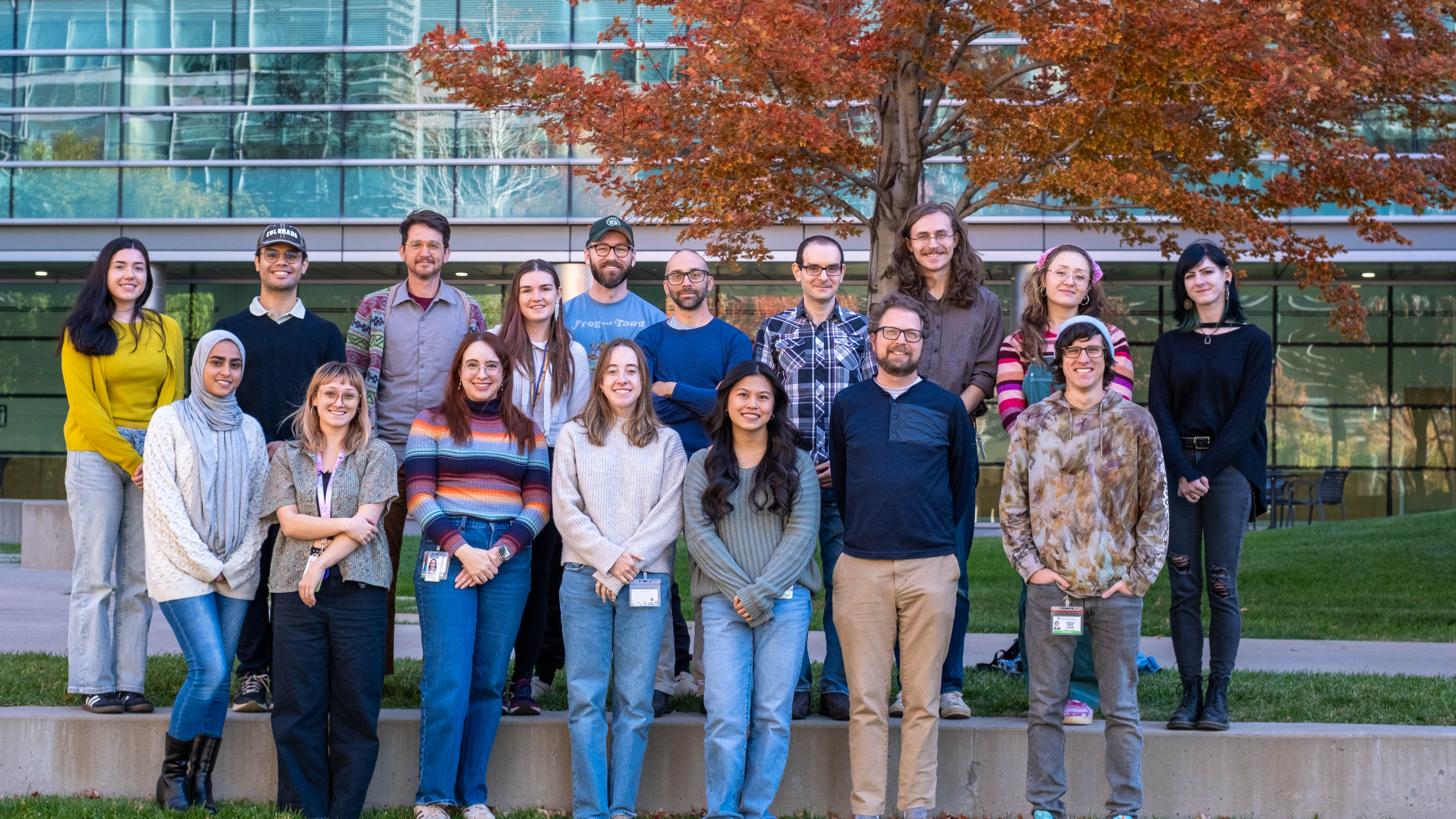
We are always interested in motivated, curious people who want to understand how visual circuits develop and how they support natural behavior. The lab offers a collaborative environment and the chance to learn a wide range of experimental and computational techniques.
Ben trains students through three CU Anschutz programs: the Neuroscience Program (NSP), the Computational Bioscience Program (CPBS), and the Medical Scientist Training Program (MSTP). Feel free to reach out before applying to discuss your background and interests.
We welcome candidates with a strong background in neuroscience, systems physiology, or a related field. Experience with in vivo electrophysiology, optical imaging, or computational analysis is a plus.
We occasionally host undergraduate researchers interested in gaining hands-on laboratory experience.
To inquire, please send a brief email describing your background and interests to benjamin.scholl@cuanschutz.edu.